Mastering Floral in Watercolor: A Comprehensive Guide for Creative Workflows
Floral in Watercolor is a versatile and visually appealing art form that can be seamlessly integrated into various creative workflows. Whether you are a professional artist, a hobbyist, or someone looking to add a touch of elegance to your projects, understanding how to use Floral in Watercolor effectively can enhance the quality and appeal of your work.
Understanding Floral in Watercolor
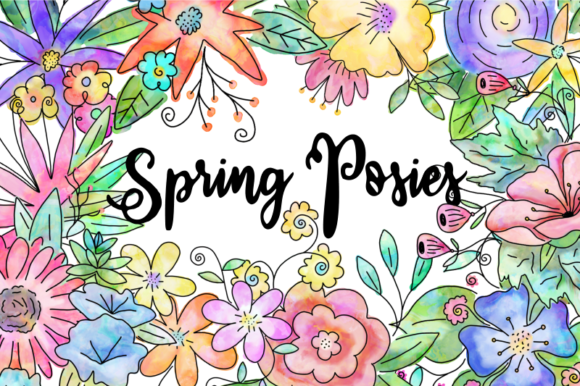
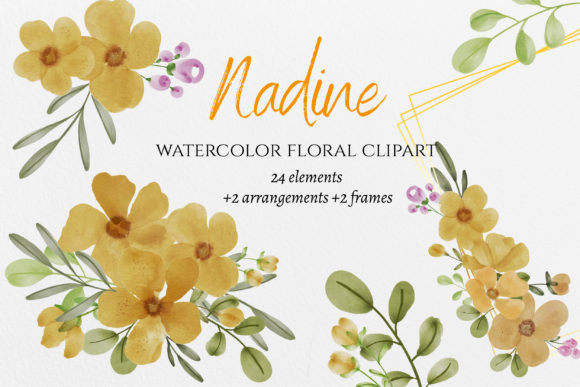
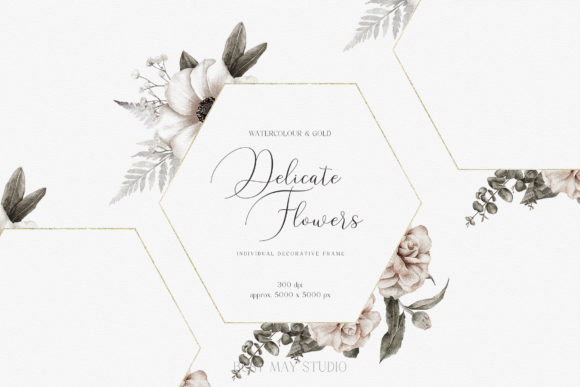
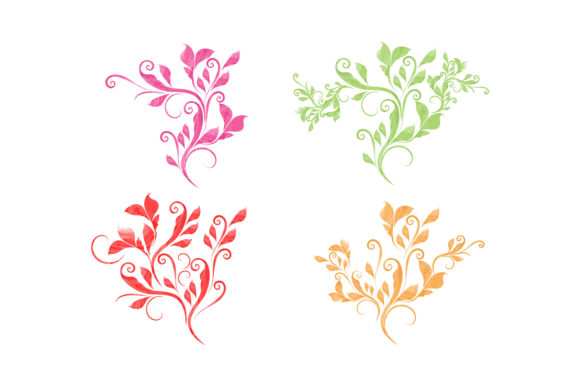
Floral in Watercolor refers to the technique of painting flowers using watercolor paints. This method is known for its soft, delicate, and vibrant qualities, making it a popular choice for a wide range of applications, from fine art to graphic design, and even in digital formats.
The ZIP file you have contains the following formats: Ai 10, EPS, and JPG. These formats are designed to be compatible with different software and platforms, allowing you to use the floral designs in various contexts.
Preparation and Compatibility
Before integrating Floral in Watercolor into your project, it's essential to ensure that your tools and software are compatible with the provided formats. Here’s what you need to consider:
- Ai 10 Format: This is an Adobe Illustrator file, which is ideal for vector-based artwork. It allows for scalability without losing quality, making it perfect for both print and digital projects.
- EPS Format: Encapsulated PostScript (EPS) files are also vector-based and can be used in a variety of design software, including Adobe Illustrator and Photoshop.
- JPG Format: JPEG files are raster images, suitable for web and social media use. They are not scalable, so it's important to choose the right resolution for your specific needs.
Practical Implementation Tips
Here are some practical tips on how to integrate Floral in Watercolor into your creative process:
- Brainstorm and Plan: Before starting, brainstorm the overall look and feel of your project. Decide where and how you will incorporate the floral elements. Sketch out a rough layout to visualize the placement.
- Select the Right Format: Choose the appropriate format based on your project requirements. For high-quality prints, use the Ai 10 or EPS formats. For web and social media, the JPG format is usually sufficient.
- Import and Customize: Import the chosen format into your design software. Customize the floral elements by adjusting colors, size, and position to fit your design. Use layers to keep your work organized and easy to edit.
- Quality Control: Regularly review your work to ensure that the floral elements are well-integrated and visually appealing. Make adjustments as needed to maintain consistency and quality.
Integration with Other Tools and Resources
Floral in Watercolor can be combined with other design elements and tools to create a cohesive and polished final product. Here are some ways to integrate it with other resources:
- Typography: Pair the floral elements with elegant typography to create a harmonious and sophisticated design. Consider using script or serif fonts to complement the soft, organic feel of watercolor.
- Textures and Backgrounds: Add textures and backgrounds to enhance the visual depth of your design. Watercolor textures can be particularly effective in creating a hand-painted, artisanal look.
- Other Design Elements: Incorporate additional design elements such as geometric shapes, lines, and patterns to create a balanced and dynamic composition. Use these elements to frame or highlight the floral designs.
Use Cases and Outcomes
Floral in Watercolor can be used in a variety of projects and industries. Here are some examples of how it can be applied:
- Graphic Design: Use floral elements in branding, packaging, and marketing materials to create a fresh and inviting aesthetic. This can be particularly effective for beauty, fashion, and lifestyle brands.
- Web Design: Incorporate watercolor florals into website designs to add a unique and artistic touch. This can be especially appealing for creative portfolios, blogs, and e-commerce sites.
- Print and Publishing: Use floral designs in book covers, stationery, and invitations to create a beautiful and memorable visual experience. This can be ideal for wedding invitations, greeting cards, and other special occasions.
- Educational Materials: Integrate floral elements into educational materials such as textbooks, presentations, and posters to make the content more engaging and visually appealing.
Long-Term Use and Maintenance
To ensure that your Floral in Watercolor designs remain relevant and high-quality over time, consider the following maintenance tips:
- Regular Updates: Periodically review and update your designs to keep them fresh and aligned with current trends and standards.
- Backup Files: Keep backups of your original and edited files to prevent data loss and to have a reference point for future modifications.
- Stay Informed: Stay updated with the latest design trends and techniques in watercolor and digital art. This will help you continuously improve and innovate in your work.
By following these guidelines, you can effectively integrate Floral in Watercolor into your creative workflows, enhancing the visual appeal and quality of your projects. Whether you are working on a personal project or a professional assignment, the versatility and beauty of watercolor florals can make a significant impact.